07.25 recap
i love this planet and all it contains + hollywood stars revisited

As I rounded up July’s reads, I found a coincidental thread that wove many of the books together — one of nature and appreciation. Of the eight books I read in July, six featured nature as a refuge, a companion, and a guide. In Colony, our characters escape into the forest, overwhelmed by modern life. In North Woods, the woods of Western Massachusetts are a vessel through which the story of humanity is told. In The Word for World is Forest, one forest is the lifeline of an entire species. Not to mention Wild Girls, which focuses on the role nature had on girls who went on to become trailblazing women.
In that spirit, I suggest you read this recap, grab a book, and sit outside for a while.
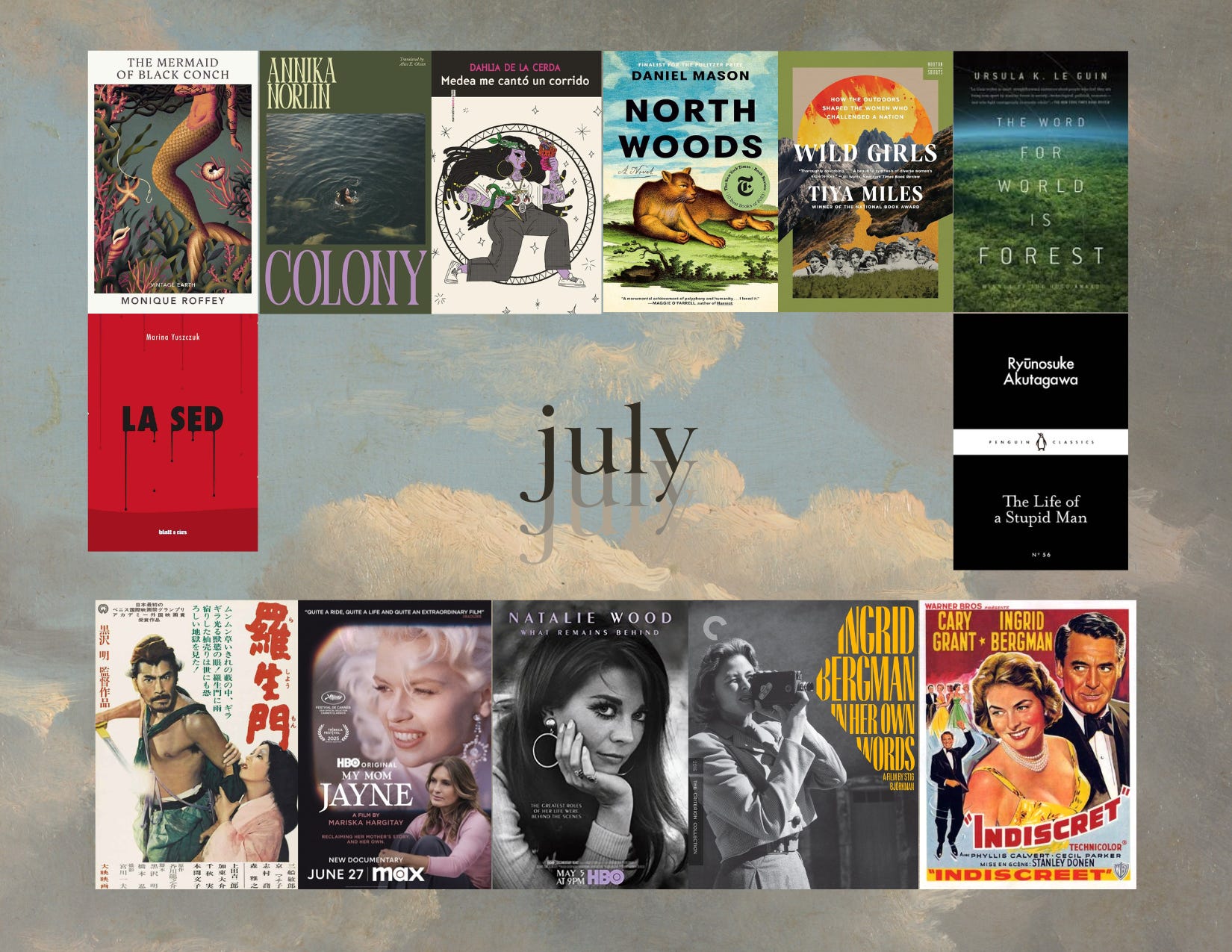
Books
Colony by Annika Norlin (2024)
Sweden, Literary Fiction | 464 pages
Wild Girls by Tiya Miles (2024)
United States, Nonfiction, History, Biography/Guidebook | 208 pages
The stories of girls who, influenced in one way or another by nature, went on to change the course of history. From Harriet Tubman and Louisa May Alcott, to lesser know figures like Josephine Langely and the tenacious Fort Shaw Indian School Basketball Team, these women shaped the United States as we know it. This book is a little repetitive in its message, but I found it to be valuable as a guidebook — find something that peaks your interest and go down that rabbit hole.
Rabbit holes explored: the real story of Sacajawea, Indian Schools, 1904 Louisiana Purchase Exposition.

Fort Shaw Girls Basketball Team posing with Trophy after the 1904 St Louis World Fair. The Mermaid of Black Conch by Monique Rofferty (2023)
Trinidad and Tobago, Fantasy, Historical Fiction | 272 pages
The Mermaid of Black Conch was a good book that I enjoyed, but I’m not sure it’s a book I would recommend to everyone. That being said, I will be reading more from Monique Rofferty. If you like mermaids (the Grimm fairytale version of them), and are interested in gaining some insight into Trinidad — and specifically Tobago — this one is for you.
Rabbit holes explored: Taíno spirituality, Mami Wata.
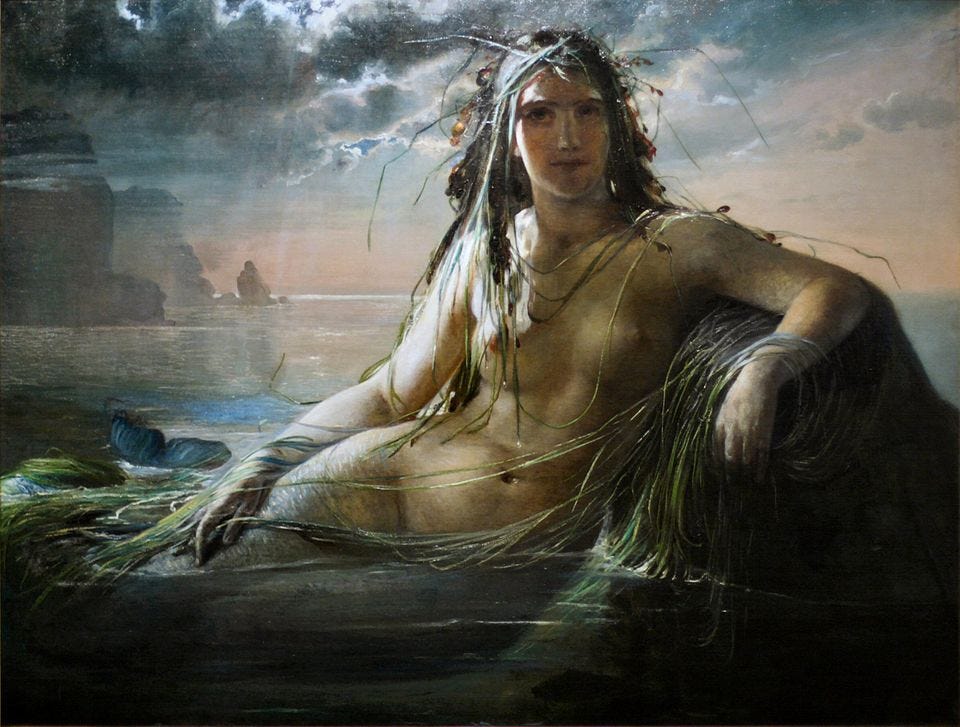
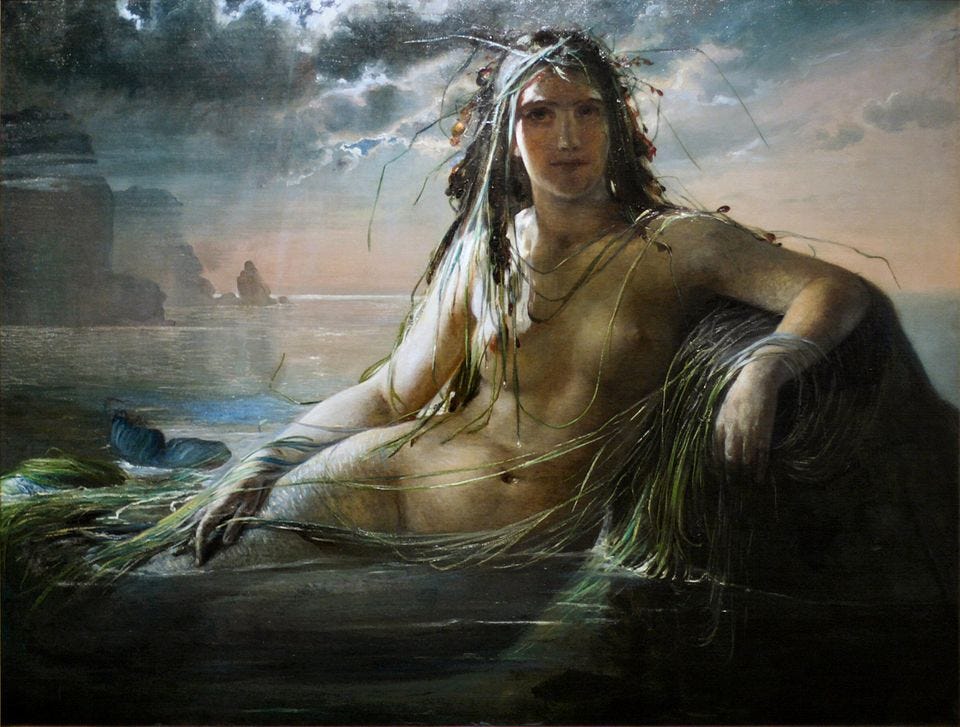
Mermaid, painted by Elisabeth Jerichau-Baumann in 1873, on display at Ny Carlsberg Glyptotek, Copenhagen La Sed/Thirst by Marina Yuszcuzk (2024)
Argentina, Horror, LGBTQ+ | 320 pages
This book could’ve been so much more. A story of a centuries old vampire and a woman who cross paths in Buenos Aires in modern times is a fantastic premise, and the first part of the book was immersive and interesting. The second part, though, lost the plot. I was really hoping to love it, but I liked Sheridan Le Fanu’s 1872 novel Carmilla better, which is what La Sed was undoubtedly inspired by. It might be for someone else, though!
Rabbit holes explored: Buenos Aires at the turn of the 20th century, origins of the vampire story.
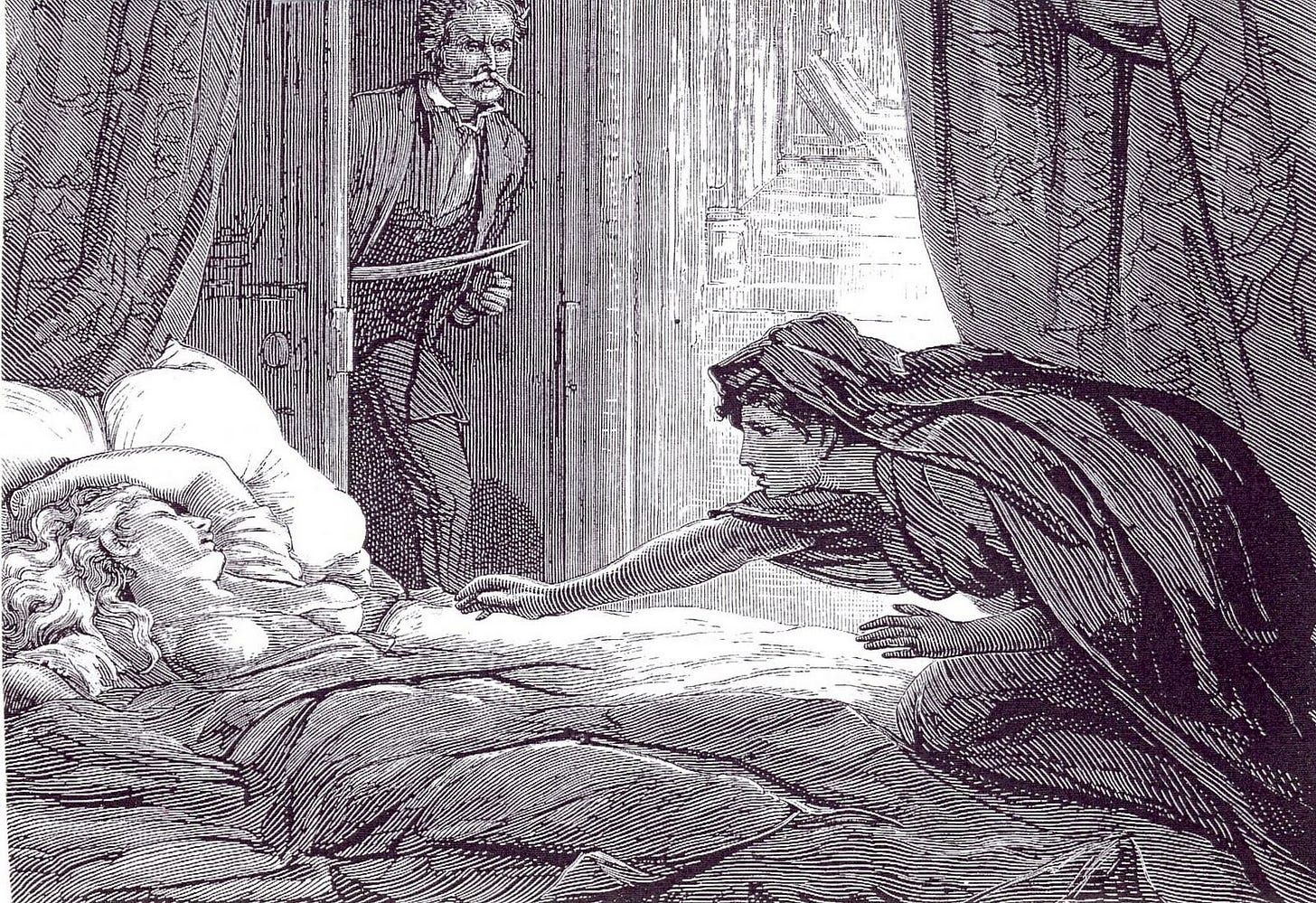
Illustration in "The Dark Blue" by D. H. Friston (1872), where Carmilla was first published. Medea me cantó un corrido by Dahila de la Cerda (2024)
Mexican, Literary Fiction, Speculative Fiction | 110 pages
Dahlia de la Cerda is making waves both at home and abroad, as she was recently long-listed for the International Booker Prize this year for her novel Reservoir Bitches/Perras de reserva. In Medea me canto un corrido, de la Cerda tells the interconnected stories of women fighting for some kind of control over their future with the help of the mythical Medea — a woman who took her destiny into her own hands, no matter the price. It’s currently being translated and will be available as Medea Sang Me a Corrido on Jun 16, 2026.
The Life of a Stupid Man by Ryūnosuke Akutagawa (1927)
Japanese, Short story, Autobiographical, Classic Fiction | 85 pages
Three short, sentimental stories. The first, In the Bamboo Grove, is the story of a murdered samurai told through the clashing perspectives of those that witnessed the crime. It served as inspiration for Akira Kurosawa’s 1950’s film, Rashomon, which created a framework used to analyze how human perception, subjectivity, and memory recall can impact eyewitness statements.
The other two stories, Death Register and The Life of a Stupid Man, are autobiographical in nature. In Death Register, Akutagawa grapples with the loss of his mother and father in brief snippets, and The Life of a Stupid Man, told in 51 verses, is widely considered to be his suicide note. Most of the verses are musings on his life, how he lived it, and how he imagined he had affected others. Akutagawa died by suicide at age 35.
“I am living now in the unhappiest happiness imaginable. Yet, strangely I have no regrets.” - The Life of a Stupid Man
The Word for World is Forest by Ursula K Le Guin (1972)
US, Science Fiction, Winner of the 1973 Hugo Award for Best Novella | 192 pages
The Word for World is Forest is a novella that — while much less nuanced than Le Guin’s other works — paints a vivid and critical picture of war and colonialism that somehow doesn’t feel contrived. This book was born out of Le Guin’s outrage over the Vietnam War, and she pulls no punches in her depictions of a people being colonized by a faraway planet in desperate need of resources. Here, Le Guin is blunt in her exploration of the environmental and human consequences of imperialism, and the impact of war on both sides.
Rabbit holes explored: the connection between language and culture, Taoist dream realm, how Avatar might or might not have been inspired by this novella…
North Woods by Daniel Mason (2024)
US, Historical Fiction, Literary Fiction | 400 pages
North Woods was a such a refreshing read. The book is about interconnectedness, but the story itself is told in quite a disjointed manner. Through letters, poems, hauntings, and differing points of view, we follow the life of a piece of land and an apple orchard. From a young Puritan couple seeking freedom from the constraints of their time, to the eventual family that has no interest in it 400 years later, Daniel Mason shows how every action has a reverberating effect on the land and its people.
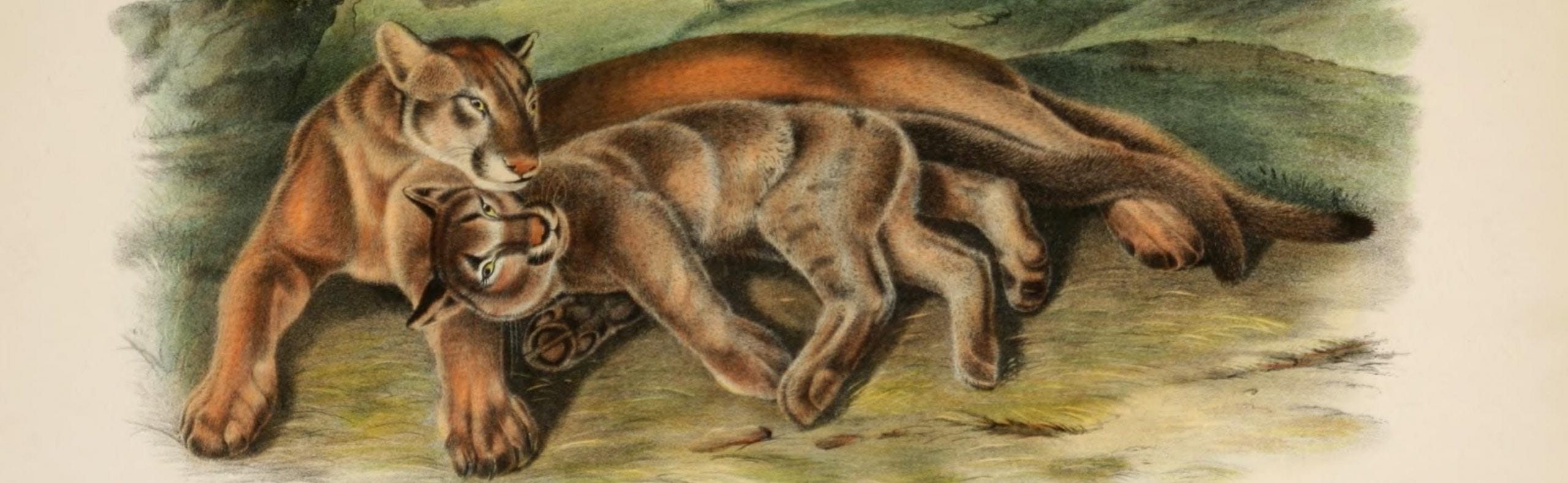
Rabbit holes explored: how to get rid of bark beetles, the loss of the catamount in Massachusetts and Vermont
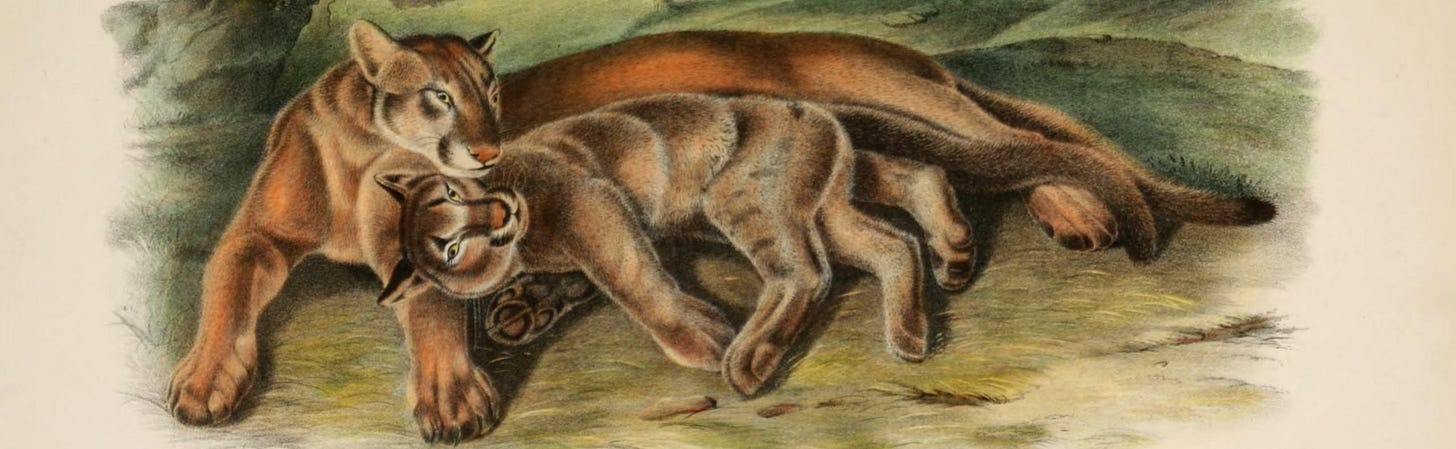
Cougars in Audubon's The quadrupeds of North America. http://biodiversitylibrary.org/page/34896889


Movies
Ingrid Bergman: In Her Own Words dir. Stig Björkman (2015)
Incredible portrait of her life and work made by her children, narrated by Alicia Vikander, and contexualized with letters Ingrid Bergman wrote throughout her life.
My Mom Jayne dir. Mariska Hargitay (2025)
Mariska Hargitay explores the woman behind the glamour in an effort to understand Jayne’s complicated legacy and what it meant to her. Raw and heartfelt with an unexpected surprise at the end.
Rashomon dir. Akira Kurosawa (1950)
A classic. Went to see it at the Film Forum right after finishing The Life of A Stupid Man, the short story collection that includes the story this movie is based on, In the Bamboo Grove.
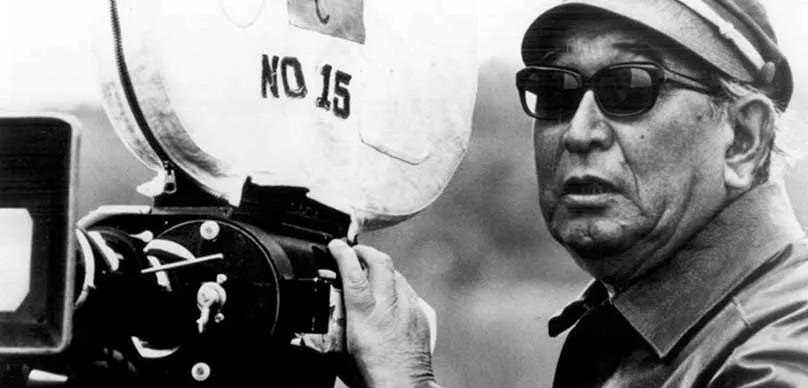
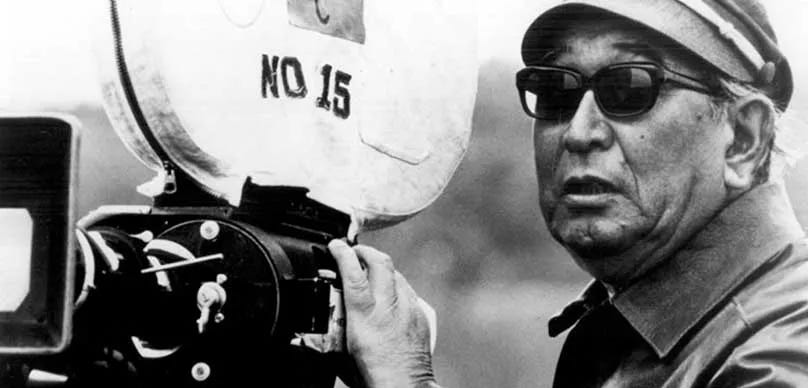
The great Akira Kurosawa in action. Natalie Wood: What Remains Behind (2020)
Most of this documentary was beautiful and spoke so much to the talented and trailblazing woman Natalie Wood was. In a lamentable shift, the last third of the documentary seemed to be a platform for Robert Wagner to dissuade those that think he was somehow responsible for her death. A fact that feels neither here nor there 40 years after the tragedy and which dampened what the documentary had managed to do up until that point. Instead, it made it feel like one of dozens of true crime-y documentaries that overshadow her life with her death, except this one was made by her family, so what do I know!
Indiscreet dir. Stanley Donen (1958)
I love Stanley Donen so much, I love technicolor so much, I love Ingrid Bergman so much. Cary Grant is also there! If you want prime Bergman and Grant, Notorious is the sensible choice. But if you want fun, Indiscreet is where it’s at.
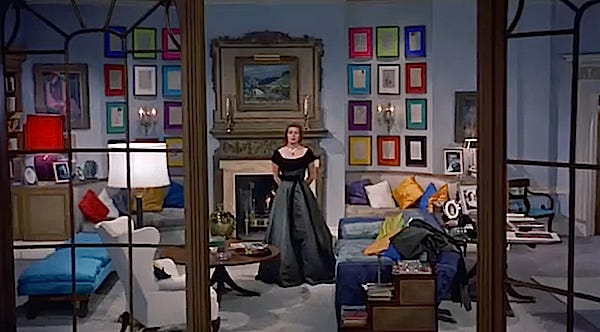
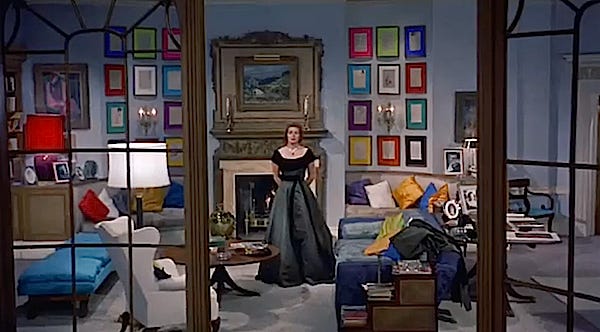
Bergman’s iconic living room from Indiscreet. If you got this far, let me know what peaked your interest!
We have cool things brewing here at tidbits and I’m excited to share soon. In the mean time, I’ll see you soon with another installment of my Read Around the World Challenge. Hint: it involves Dua Lipa.